How do I know if I have HIV?
The only way to know if you have HIV is through a blood test. While results typically take two to four weeks, it’s important to note that if you were only recently exposed, the virus may not be immediately detectable.
This is due to the window period, during which early testing can result in a false negative. It is recommended to get tested at least three weeks after potential exposure, and if you are at high risk, a follow-up test after three months is advised for confirmation.
If you believe you may have been exposed to HIV, visit your nearest health centre or Medical Services Pacific without delay. If you think you might have been exposed to HIV, please visit your nearest health centre or Medical Services Pacific immediately.
Treatment
At the moment, HIV has no cure and if left untreated will lead to death; however, it can be managed by a stringent drug regime monitored by the Ministry of Health and Medical Services. These drugs must be taken daily and for the rest of your life. They can have unpleasant side effects, so it is best to avoid getting HIV in the first place.
Point of Care Testing
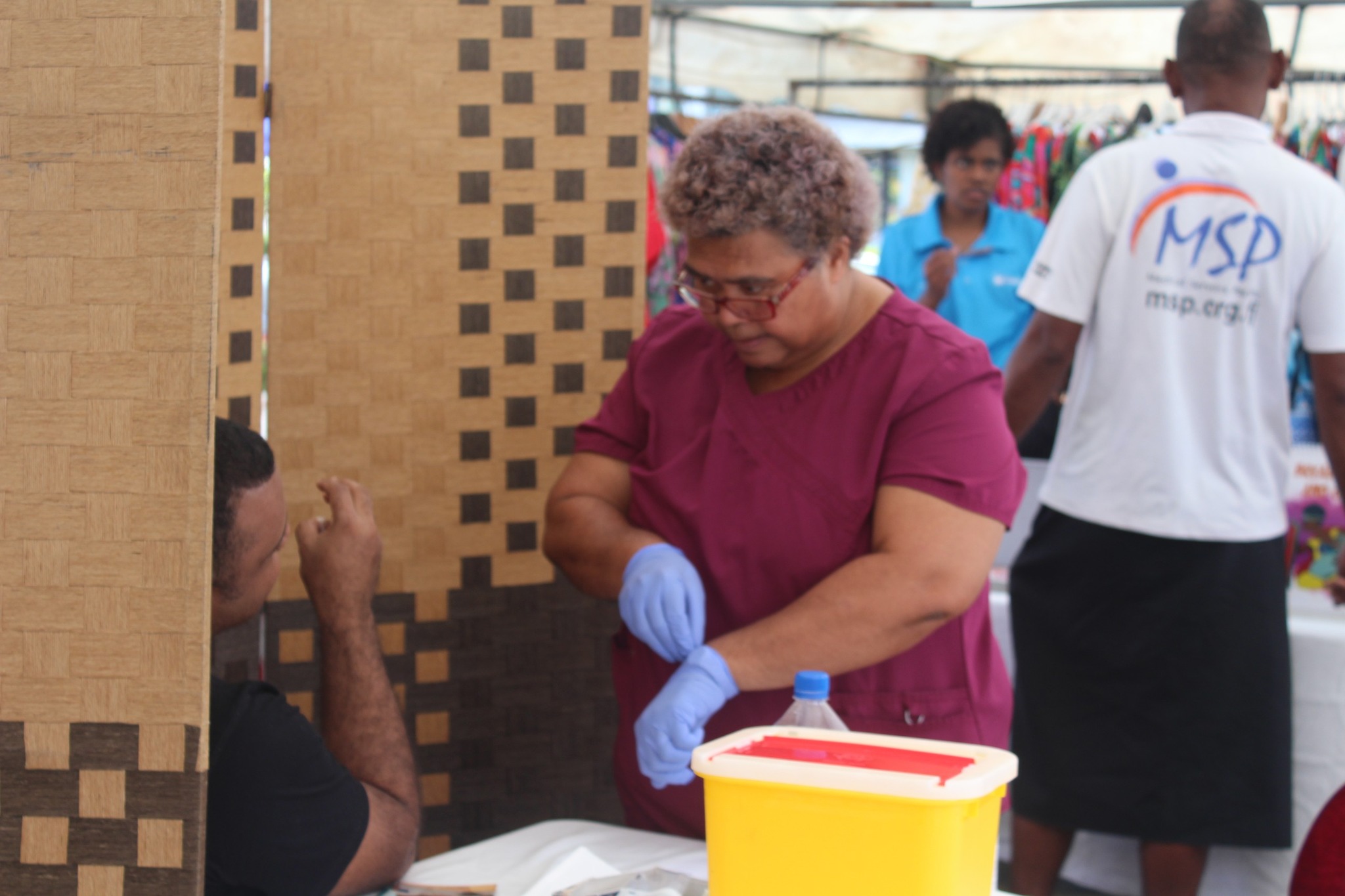
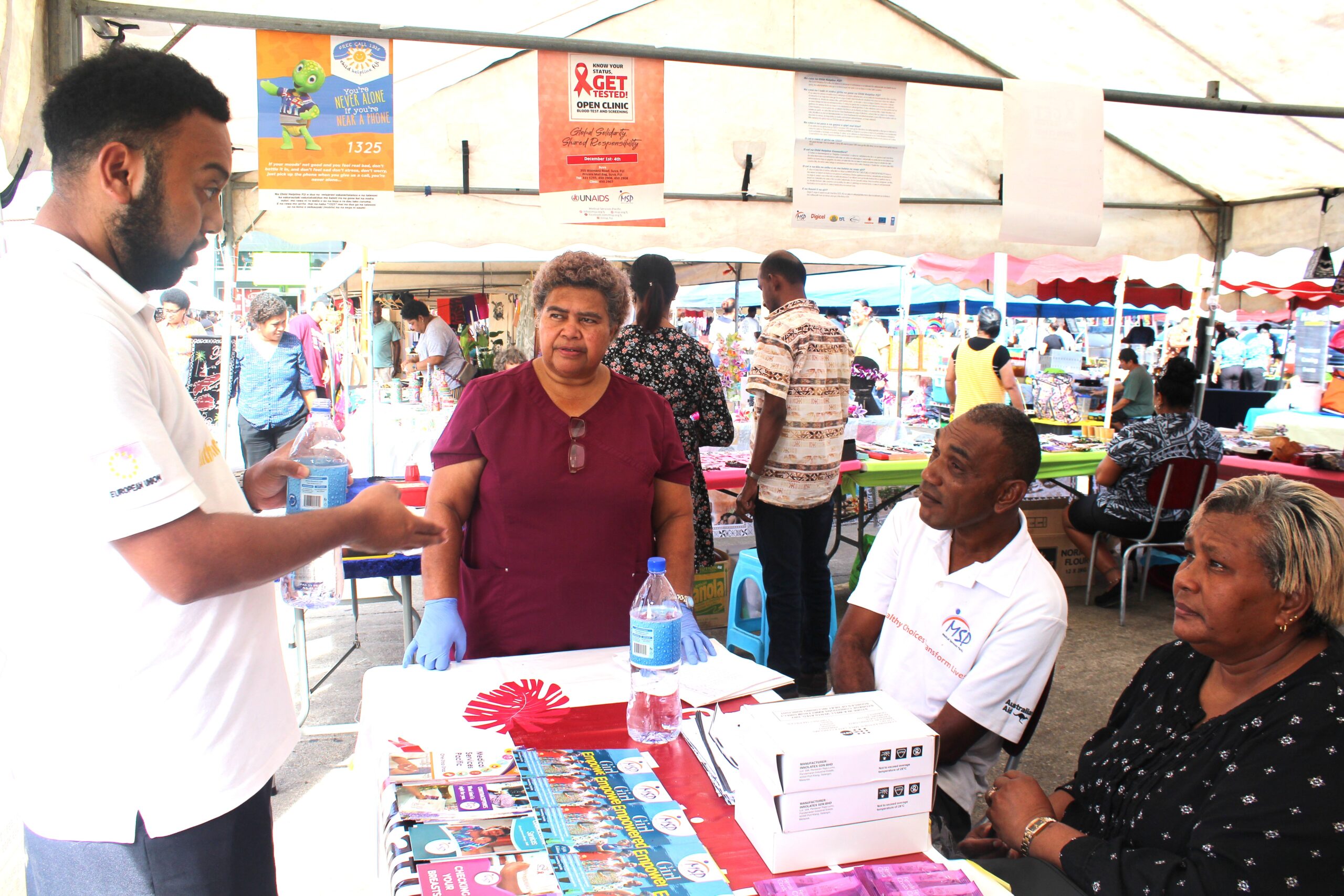
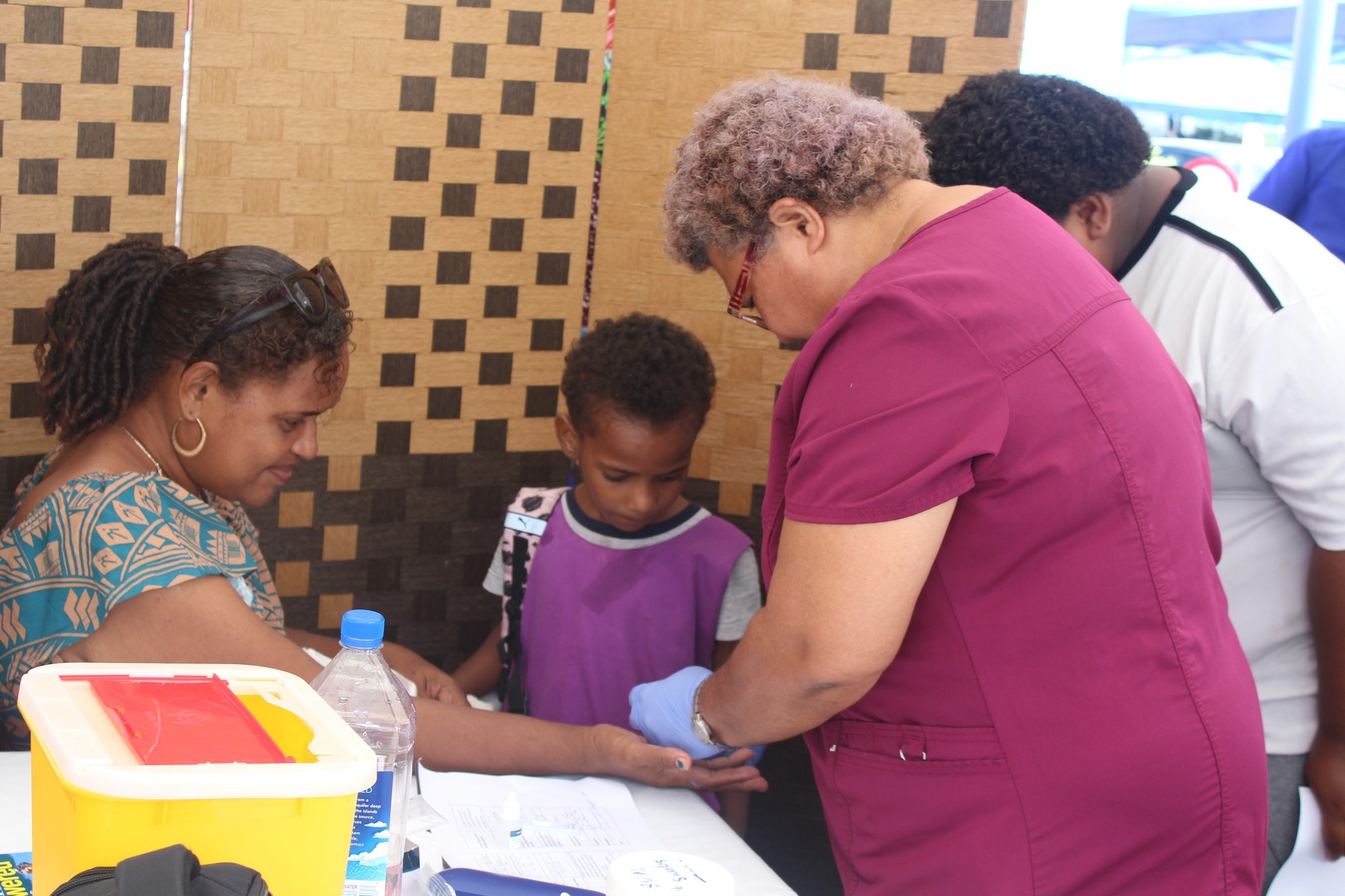
Medical Services Pacific (MSP) utilizes Point-of-Care Testing (POCT) to deliver on-site HIV and Syphilis testing in communities across Fiji, including urban, rural, and maritime areas. This mobile testing approach brings essential health services directly to the people, particularly in regions with limited access to traditional laboratory facilities.
The test is quick and efficient, taking only 15 minutes, with results provided confidentially to the individual on the spot. This allows for immediate diagnosis and timely linkage to care, ensuring that those who test positive can receive the necessary support and follow-up without delay.
Through this free POCT, MSP is strengthening community health by promoting early detection, reducing barriers to testing, and supporting the national effort to end the spread of STIs.
PEP Treatment
PEP (Post-Exposure Prophylaxis) treatment is an anti-retroviral medication that can reduce the risk of contracting HIV if taken within 72 hours (three days) after having either unprotected sex or other dangerous exposure.
If you have had unprotected sex and are worried about HIV, you should contact your nearest Ministry of Health and Medical Services STI Hub or Medical Services Pacific immediately.